Most of us can get all the vitamins and minerals we need by eating a healthy, balanced diet, but sometimes we need a little extra help. So when should we take extra tablets, and when shouldn't we bother?
Many of us choose to take supplements, because we think we're not getting the right amount of vitamins in our body - but you might not realise that taking a high dosage, or taking them for too long, can do more harm than good, especially if you’re already taking prescription medication.Not only that, vitamin supplements can be expensive - and unnecessary.
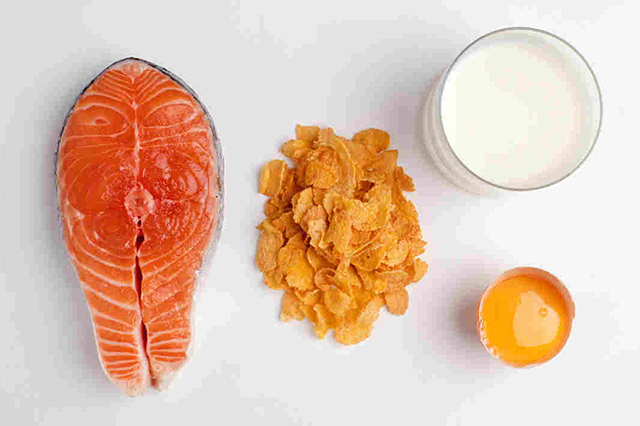
Our body makes most of our vitamin D in reaction to sunlight on our skin. It's also found in a small number of foods including oily fish, eggs, margarine, yoghurt and fortified breakfast cereals. However, people over the age of 65 are at risk of not getting enough vitamin D, especially when we’re not exposed to much sun.
Iron is an essential mineral that has several important roles in the body, including helping to make red blood cells which carry oxygen around the body.You should be able to get all the iron you need from your daily diet as it is found in red meat, pulses and beans, eggs, wholegrain products, nuts and seeds, green leafy vegetables, dried fruit and fortified cereals.
Calcium is an important mineral as it helps to build strong bones and teeth, regulates muscle contractions, including heartbeat, and helps blood to clot normally. Milk, cheese and yoghurt are all good sources of calcium, as well as green leafy vegetables, nuts and fish like sardines, where you eat the bones.
There are several types of vitamin B and they all have different functions within the body, including helping to break down energy from food, keeping the skin, eyes and nervous system healthy, and helping to form red blood cells.Provided that you eat a well-balanced diet, including wholegrains and cereals, you should be getting all that you need. However, as we get older it becomes harder to absorb vitamin B12, which is found in meat, cod, salmon, milk, cheese, eggs and some fortified cereals.People who are deficient are at increased risk of anaemia and neurological problems such as memory loss.
High-dose vitamin C supplements have become a popular way to ward off colds, but are they really worth the money? While it’s true that vitamin C is an antioxidant that helps to fight disease and infections and aids healing, eating plenty of fruit and vegetables should help you to get all that you need.
© 2025 vitaminpurehealth. All rights reserved