
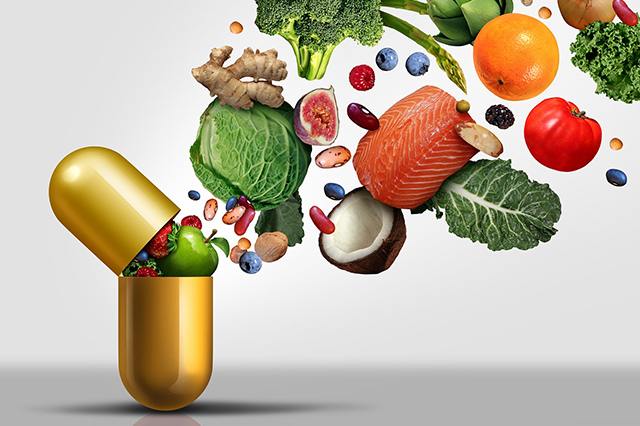
Five servings of different fruit and vegetables daily will ensure you get plenty of vitamins and minerals.Foods lose vitamins and minerals when they are cooked, so it's best to steam or poach fish and vegetables. Grilling or baking meat is better than frying.Choose fresh foods over processed and eat as soon as possible.If you're worried about produce going off, tinned fruit and veg still contain vitamins and count towards your five a day.
Frozen vegetables can contain more vitamins than fresh vegetables that have been stored a long time – just be sure not to overcook them.
Try not to drink large quantities of tea, coffee or cola-based drinks. Caffeine can prevent your body absorbing vitamins and minerals, such as iron, and it also increases the excretion of the water-soluble vitamins through urine.Alcohol is toxic to vitamins so moderate your alcohol intake. This means sticking to government guidelines of 14 units per week for women and 21 units for men.Store-bought 100 per cent fruit juices and smoothies are a good way to boost your vitamin C levels, although some have high levels of natural sugars that add unnecessary calories.
Start the day with a bowl of cereal – these are often fortified with vitamins and minerals. A wholegrain cereal is best. Drink fresh fruit juice at breakfast. Foods that contain vitamin C help your body to absorb the iron from your breakfast cereal or toast.Try substituting Marmite for marmalade on toast in the morning.
using wholegrain or seeded bread.limiting or removing fats such as mayonnaise and butter choosing lean cuts of meat, or fish such as tuna or salmon including salad as part of its filling, for example lettuce plus two of the following: cucumber, tomato, raw pepper, shredded carrot.
a boiled egg will boost levels of iron, A and B vitamins.unsalted nuts are a good source of calcium, iron, magnesium, selenium and vitamins B and E sunflower and sesame seeds contain vitamin E dried fruit such as apricots contain vitamin B, iron, magnesium and calcium any type of fruit will boost vitamin C levels raw vegetables such as pepper and carrot contain betacarotene that can be converted to vitamin A.
Eat fish as part of your evening meal two or three times a week. Oily fish has the most nutrients – examples are fresh salmon, tuna, trout, mackerel, sardines and herring.Lean cuts of meat are best, and avoid processed forms such as sausages, pies and burgers.Include two vegetables with every meal.Substitute potato with brown rice, sweet potato, pulses or lentils. For example serve fish on a bed of green lentils, chicken with brown rice and vegetables, turkey with sweet potato, or lamb in a tomato-based curry with spinach and chickpeas.Have one meal each week that's based around vegetables, for example a stir fry, vegetable casserole or bake.Include a salad with your evening meal.Choose wholemeal pasta and brown rice.Mix chopped nuts with fruit for a dessert, or sprinkle on top of curries and bakes.
© 2025 vitaminpurehealth. All rights reserved