Some Victorians are at risk of low vitamin D, particularly those with naturally very dark skin and those with little sun exposure. A balanced approach is required to ensure some sun exposure for vitamin D while minimising the risk of skin cancer.
You might be at risk of low vitamin D if you have naturally very dark skin, get little or no sun exposure, have a medical condition that affects vitamin D metabolism, or take certain medications (for example, those that increase the breakdown of vitamin D).Vitamin D supplements may be helpful for some people, but you should speak with your doctor first .
UV radiation from the sun is the best natural source of vitamin D, but too much sun exposure can increase your risk of skin cancer.
In Victoria, UV levels fall below three from May to August. At this time, most people need two to three hours of midday winter sun exposure to the face, arms, hands (or equivalent area of skin) over the course of a week. People with naturally very dark skin may require three to six times this amount of sun.
In Victoria, UV levels reach three and above for much of the day from September to April, and sun protection is required. At this time, most people need just a few minutes of mid-morning or mid-afternoon sun exposure to the face, arms, hands (or equivalent area of skin). People with naturally very dark skin, may require three to six times this amount of sun.
Use a combination of sun protection measures between September and April, when UV levels are three and above
A solarium gives off dangerous UV radiation, increasing the risk of skin cancer.
You might be at risk of low vitamin D if you have naturally very dark skin, get little or no sun exposure, have a medical condition that affects vitamin D metabolism, or take certain medications (for example, those that increase the breakdown of vitamin D). Breastfed babies who fall into the above categories, or have mothers with low vitamin D, can also be at risk.
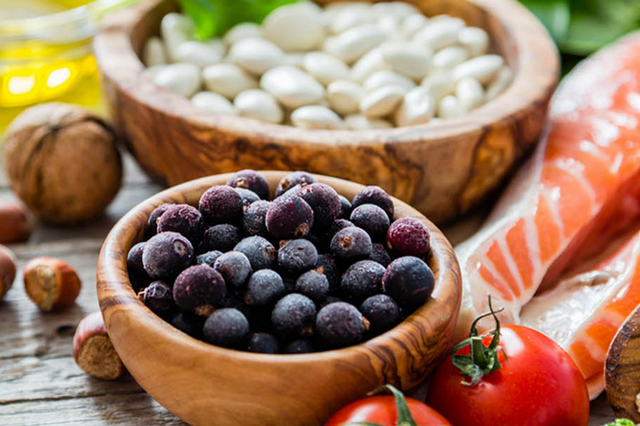
Vitamin D and calcium work together to make your bones strong. Make sure you get enough calcium by including a selection of dairy products, leafy vegetables, fish, tofu, Brazil nuts and almonds in your diet.
Good sources include eggs, liver, and fatty fish such as mackerel, herring and salmon. Some margarines and low-fat milks have added vitamin D. Food, however, only makes a small contribution (approximately 10 per cent) to the body's overall vitamin D levels and it is difficult to get enough vitamin D from diet alone.
Vitamin D supplements may be helpful for some people, but you should speak with your doctor first and take them strictly as directed.
© 2025 vitaminpurehealth. All rights reserved